XN(XN6E)-A-DTLS-300x300.jpg)
-300x300.jpg)
-300x300.jpg)
XN(XN4ES)-Z珊瑚红-300x300.png)
-300x300.jpg)
-300x300.jpg)
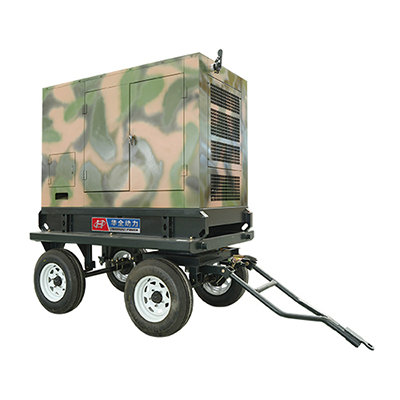
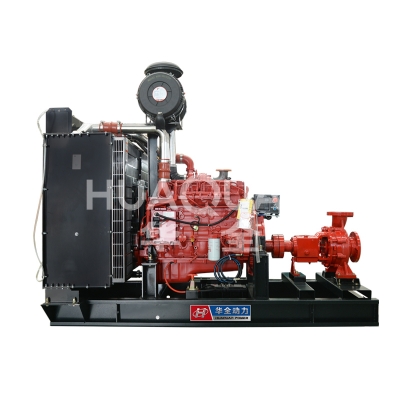
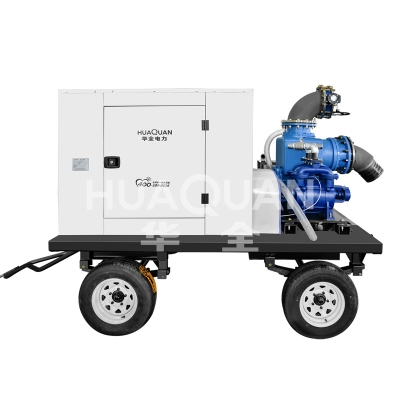
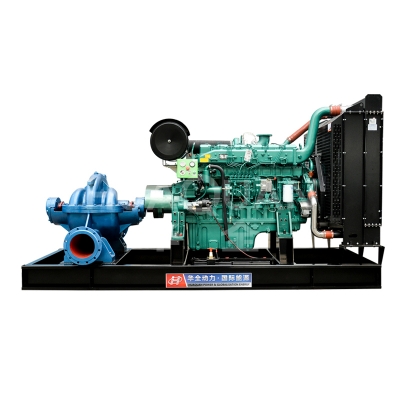
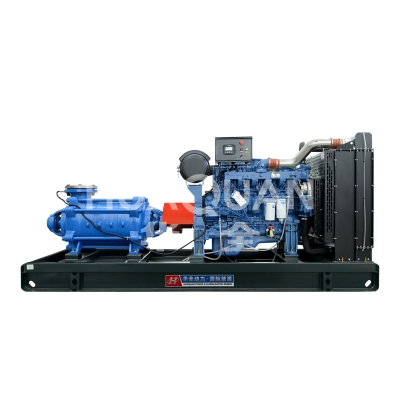
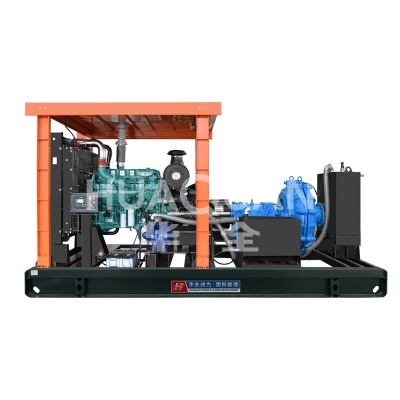


Introduction to Container Generators
Container generators are integrated power generation units housed within standard shipping containers. With their unique modularity, mobility, and rapid deployment capabilities, they play an increasingly vital role in modern power supply systems, becoming an indispensable component of contemporary energy infrastructure.
I. What is a Container Generator?
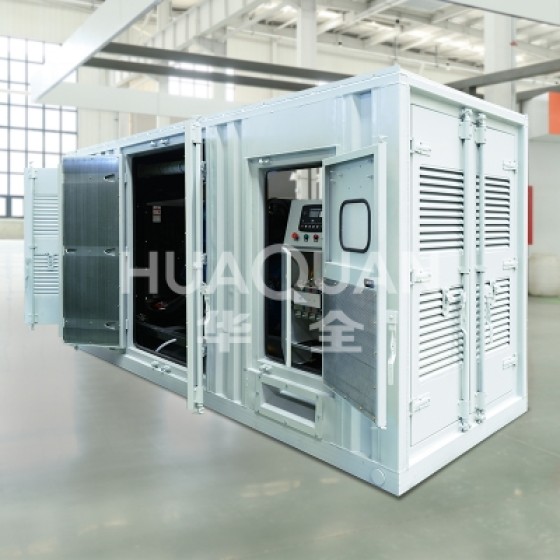
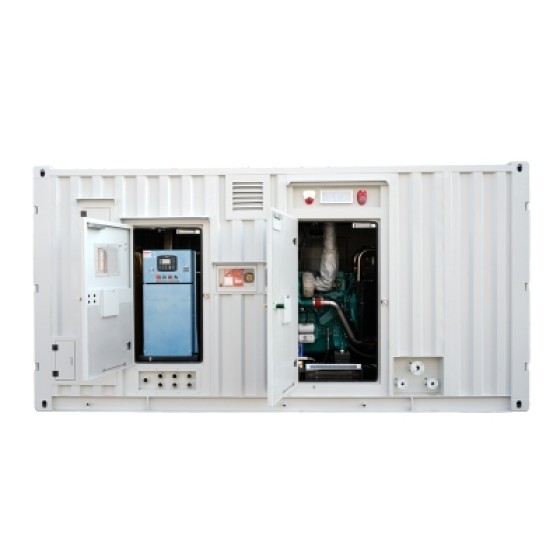
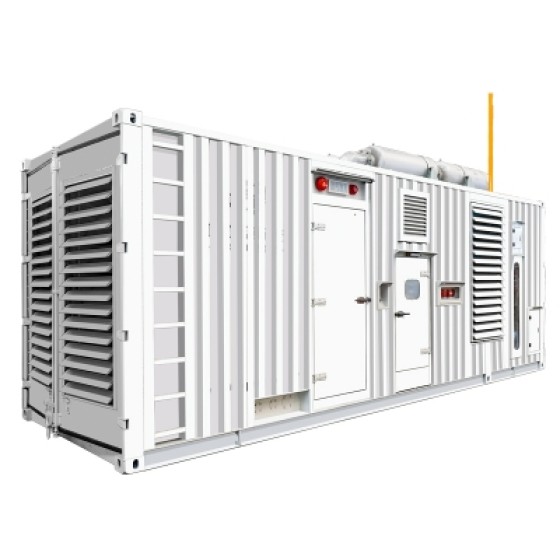
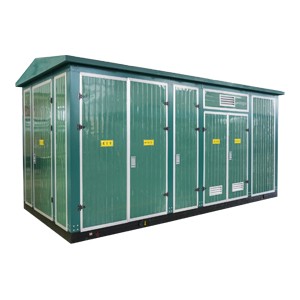
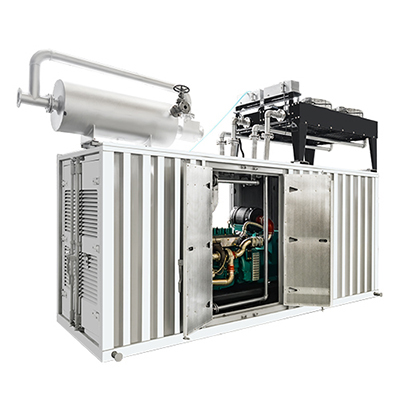
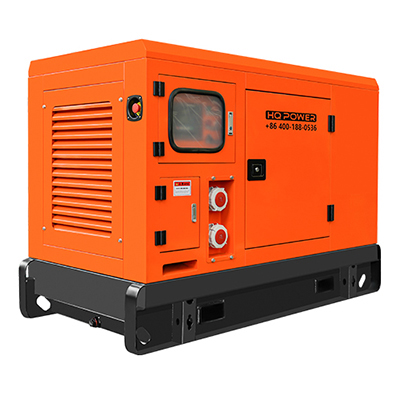
A Container Generator is a complete power generation system that integrates primary electromechanical equipment—such as diesel generators or small hydroelectric units—into a standard metal shipping container. This design concept addresses the need for modular, mobile, and rapidly deployable power equipment, replacing traditional power plants with a self-contained, fully integrated generating unit.
Typically, the unit comprises a prime mover (diesel engine or hydro turbine), generator, control system, cooling system, exhaust system, fuel system, and output distribution system. All components are meticulously designed and arranged to ensure efficient and reliable operation within the confined container space.
II. Huaquan is a professional manufacturer specializing in Container Generators.
Huaquan Power is a manufacturer with R&D, production, and customization capabilities in the field of Container generator sets.
Huaquan is a modern enterprise based on the integration of information technology and industrialization within traditional manufacturing, and a national high-tech enterprise dedicated to the R&D and manufacturing of power equipment.
Huaquan's intelligent control system features remote control, fault display, audible and visual alarms, and system protection functions, effectively enhancing product performance and quality.
III. Features of Container Generators
1. Rapid Deployment and Flexible Mobility: Designed using standard container dimensions, these units facilitate swift transportation via road, rail, or sea to any location requiring power. Upon arrival at the site, minimal groundwork and interface connections are required for operational readiness within a remarkably short timeframe, drastically reducing the months-long construction cycles typical of traditional power plants.
2. Comprehensive Protection and Environmental Adaptability: The sealed container structure provides superior protection for power generation equipment, effectively shielding against rain and dust while reducing operational noise. Specially engineered container units ensure stable operation across diverse harsh environmental conditions.
3. Space Efficiency and Controlled Costs: Integrating all power generation equipment within standard containers significantly reduces land requirements. This compact design also lowers civil engineering costs and installation expenses.
4. Flexible Configuration and Intelligent Control: Supports single-unit or multi-unit parallel operation modes based on demand. Built-in advanced automatic control systems enable load-demand-based automatic start/stop, remote monitoring, and intelligent maintenance alerts.
IV. Key Considerations for Selecting Container Generators
1. Precisely Match Power Requirements
Select generator models based on actual electrical load (regular load + peak load). It is recommended to reserve 10%-20% power margin to avoid fuel waste or equipment damage from overload.
2. Select Appropriate Fuel Type
Diesel generators are most widely used, offering low fuel consumption, extended runtime, and resilience in harsh environments. Natural gas generators are more environmentally friendly with lower operating costs, suitable for locations with reliable gas supply. Gasoline generators are ideal for low-power, short-duration temporary applications.
3. Match Protection Rating and Custom Requirements
Select the appropriate IP protection rating based on the operating environment. In extremely cold regions, opt for low-temperature preheating systems; coastal areas require enhanced salt spray resistance treatment; and scenarios demanding high noise reduction can upgrade to soundproofing configurations.
4. Focus on Core Component Brands and Quality
Prioritize well-known brands for core components like engines and generators to ensure equipment reliability and longevity. Simultaneously, verify that auxiliary components such as control systems and cooling systems are appropriately configured for the specific application scenario.
V. Frequently Asked Questions About Container Generators
1. What is the difference between a container generator and a conventional generator?
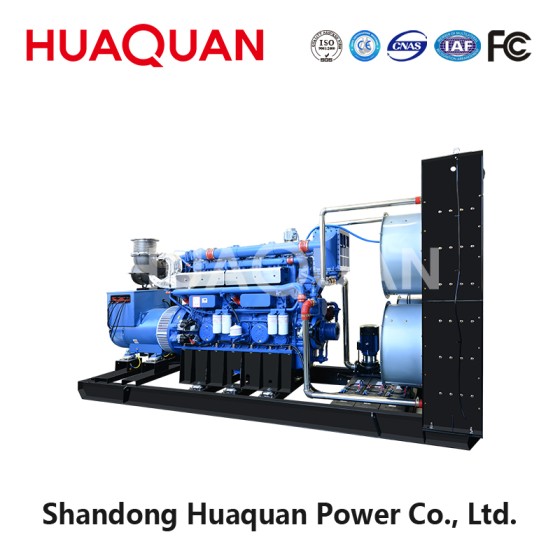
Conventional Generator: Typically just a bare unit requiring separate construction of a generator room or rain shelter. Installation takes longer and it is fixed in place.
Containerized Generator: Integrates the generator, control system, cooling system, fuel tank, muffler, and other components within a standard shipping container. It comes with its own “enclosure,” offering protection against rain, dust, sand, and noise reduction. It functions as a complete power station unit that can be rapidly transported and deployed.
2. What key factors should be considered when selecting a container generator?
Power Requirements: Determine the total power needed (in kilowatts (kW) or kilovolt-amperes (kVA)), accounting for potential future expansion needs.
Fuel Type: Diesel is most common, though options like natural gas are available. Diesel offers convenient availability and high calorific value, making it the most prevalent choice.
Environmental Regulations: Verify local emission standards (e.g., China's National II, III; Europe/US Tier 2, Tier 4) and noise restrictions.
Customization Requirements: Determine if specialized configurations are needed, such as parallel operation capability, remote monitoring systems, enhanced soundproofing, or designs for freezing/extreme heat environments.
Brand and Manufacturer: Select reputable, professional manufacturers to ensure product quality and reliable after-sales service.
3. What maintenance does a container Generator require?
Routine Checks: Regularly inspect oil and coolant levels, examine the fuel system, and check the air filter.
Scheduled Maintenance: Replace engine oil, oil filter, fuel filter, and air filter promptly according to operating hours.
System Testing: Even when infrequently used, perform regular no-load and load tests to ensure optimal performance as a backup power source.
Enclosure Inspection: Periodically check enclosure seals, door locks, and ventilation openings to maintain protective integrity.
VI. Application Scenarios for Container Generators
The adaptability of containerized generator sets enables them to excel in numerous fields:
1. Emergency Power Supply Assurance: During emergencies where natural disasters cause grid failures, containerized generator sets can be rapidly deployed to disaster zones, providing immediate power support for rescue operations, medical equipment, and temporary shelters.
2. Energy Supply in Remote Areas: For remote regions, mines, exploration sites, and other locations not yet connected to the grid, containerized generator sets offer an economical and practical power solution.
3. Data and Communication Backup: Facilities with critical power continuity requirements, such as data centers and communication base stations, frequently utilize containerized diesel generator sets as backup power sources to ensure uninterrupted operations during main power outages.
4. Temporary Power for Events and Industry: Containerized generator sets are essential for temporary power needs during large-scale cultural performances, sporting events, exhibitions, as well as for temporary capacity expansion during peak electricity demands at construction sites and factories.
In summary, Container Generators will continue to play a vital role in the global energy landscape due to their unique technical advantages and broad application prospects, providing flexible and reliable solutions for diverse power demand scenarios.